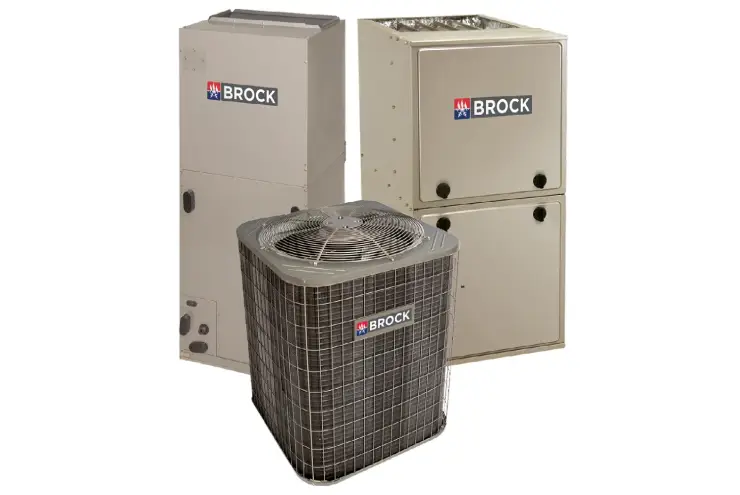

Determining the best heating option for your home requires a careful analysis of the furnace vs. heat pump monthly cost and initial investment, a critical factor for homeowners in Ontario or Canada considering gas furnace alternatives. Understanding furnace vs. heat pump efficiency is key, especially when calculating potential long-term savings; a heat pump vs. gas furnace calculator offers a precise tool to compare the efficiency of each heating system.
When researching the heat pump vs. gas furnace cost, consumers often turn to platforms like Reddit for real-world opinions on the difference in initial and ongoing expenses, including the operation of an electric furnace in colder climates. This comprehensive guide explores everything from furnace vs. heat pump Ontario considerations to humidity control, cost comparisons, and efficiency ratings, helping you make an informed decision that suits your home’s unique requirements.
One major advantage of heat pumps is that they provide both heating and cooling, eliminating the need for separate air conditioning installation Ontario homes.
What Sets These Heating Systems Apart?
The furnace vs. heat pump difference lies primarily in how each system generates warmth for your home. A furnace creates heat by burning fuel—typically natural gas, propane, or oil—or using electric resistance coils. The heated air then circulates through your ductwork, raising your home’s temperature rapidly. Conversely, a heat pump doesn’t generate heat through combustion. Instead, it transfers existing heat from outside air (even in cold weather) into your home, functioning similarly to a refrigerator running in reverse.
This operational distinction creates cascading effects on performance, cost, and suitability for different climates. Gas furnaces excel in extremely cold environments where temperatures regularly drop below -15°C, delivering consistent warmth regardless of outdoor conditions. Heat pumps, while incredibly efficient in moderate climates, may require supplemental heating when temperatures plummet. Modern cold-climate heat pumps have significantly improved their performance range, but understanding these fundamental differences remains essential for Ontario homeowners.
The energy source difference also impacts your monthly utility bills. Natural gas prices typically remain lower than electricity rates in most Canadian provinces, giving gas furnaces an advantage in operating costs during peak winter months. However, heat pumps can offset this through superior efficiency ratings, moving three units of heat energy for every unit of electricity consumed.
Whether you choose a furnace or heat pump, reliable emergency HVAC repair near me is crucial during Ontario’s harsh winters.
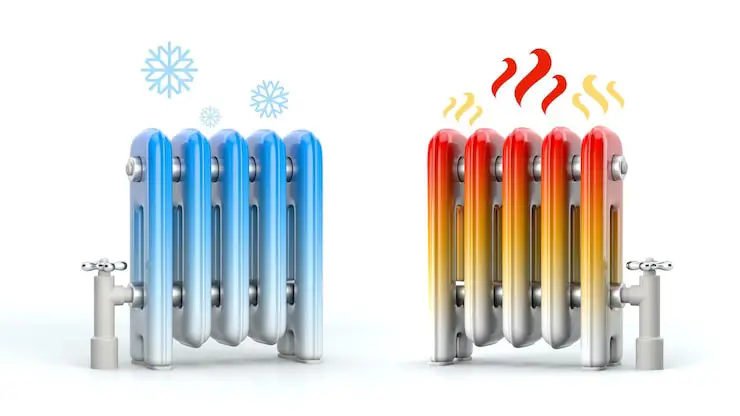
Heat Pump vs. Gas Furnace Cost: Breaking Down Your Investment
When evaluating the heat pump vs. gas furnace cost, installation represents your first major financial consideration. A quality gas furnace installation in Ontario typically ranges from $3,500 to $7,000, depending on unit efficiency, brand, and existing infrastructure compatibility. High-efficiency models with AFUE ratings above 95% command premium prices but deliver substantial long-term savings through reduced fuel consumption.
Heat pump installation Ontario costs generally start higher, ranging from $5,000 to $12,000 for complete systems. This increased investment reflects the dual-function capability—heating in winter and cooling in summer—eliminating the need for a separate air conditioning system. Ground-source (geothermal) heat pumps involve even higher upfront costs, sometimes exceeding $20,000, though federal and provincial incentives can reduce this burden significantly.
Monthly Operating Costs Analysis
The heat pump vs. furnace monthly cost comparison reveals nuanced differences that vary by climate, home insulation, and local utility rates. In Ontario’s variable climate, a mid-efficiency gas furnace (80-85% AFUE) typically costs $150-$250 monthly during peak winter operation. High-efficiency models (95%+ AFUE) can reduce these figures by 15-20%, particularly in well-insulated homes with modern thermostats.
Heat pumps demonstrate exceptional efficiency in temperatures above -10°C, with monthly operating costs potentially 30-40% lower than comparable gas systems. However, when temperatures drop below this threshold, most heat pumps activate supplemental electric resistance heating, which significantly increases consumption. A heat pump vs. electric furnace comparison shows that backup heating strips consume considerably more electricity, sometimes doubling monthly costs during extreme cold snaps.
Also Read: Do High Efficiency Furnaces Last Longer?
Furnace vs. Heat Pump Efficiency: Understanding Performance Metrics
Furnace vs. heat pump efficiency comparisons require understanding different rating systems. Gas furnaces use Annual Fuel Utilization Efficiency (AFUE) ratings, representing the percentage of fuel converted to usable heat. Modern mid-efficiency furnaces achieve 80-85% AFUE, while premium condensing units reach 95-98%. This means a 95% AFUE furnace converts $0.95 of every dollar spent on natural gas into home heating.
Heat pumps utilize the Heating Seasonal Performance Factor (HSPF) for efficiency measurement. Higher HSPF numbers indicate better efficiency, with modern units ranging from 8 to 13 HSPF. The most efficient cold-climate models achieve ratings above 10 HSPF, delivering exceptional performance even in challenging Canadian weather. Additionally, the Coefficient of Performance (COP) describes instantaneous efficiency—a COP of 3.0 means the heat pump moves three units of heat energy for each unit of electricity consumed.
The heat pump vs. gas furnace efficiency debate becomes complex when considering real-world conditions. While heat pumps theoretically operate at 200-300% efficiency (moving more energy than they consume), this advantage diminishes significantly in extreme cold. Gas furnaces maintain consistent efficiency regardless of outdoor temperature, providing predictable performance throughout winter.
Climate-Specific Performance Considerations
The furnace vs. heat pump Canada analysis must account for regional temperature patterns. Southern Ontario communities like Toronto and Hamilton experience relatively moderate winters, making modern heat pumps viable primary heating solutions. Northern regions with sustained sub-zero temperatures may find gas furnaces more reliable and cost-effective.
Recent technological advances have expanded heat pump viability across Canada. Cold-climate models now maintain heating capacity down to -25°C, though efficiency declines as temperatures drop. Dual-fuel systems combining heat pumps with gas furnace backup offer the best of both worlds—efficient heat pump operation during moderate weather and reliable gas heating during extreme cold.
Heat Pump vs. Gas Furnace Calculator: Making Data-Driven Decisions
A heat pump vs. gas furnace calculator provides personalized cost projections based on your specific circumstances. These tools typically require inputs including home square footage, insulation quality, local climate data, current utility rates, and usage patterns. The calculator then projects installation costs, monthly operating expenses, and payback periods for different heating systems.
When using a heat pump vs. gas furnace Ontario calculator, ensure it incorporates regional electricity and natural gas pricing, average winter temperatures, and available government incentives. The Canada Greener Homes Grant offers up to $5,000 for energy-efficient heating system installations, significantly impacting total cost calculations.
Professional Ontario HVAC contractor like SANO HEATING LTD provide comprehensive assessments beyond generic online calculators. They evaluate your home’s heat loss characteristics, existing ductwork condition, electrical service capacity, and future energy price trends. This personalized analysis delivers accuracy that generic calculators cannot match, ensuring your investment aligns with both immediate needs and long-term financial goals.
Factoring in Lifecycle Costs
Gas furnaces typically last 15–20 years with proper maintenance, while heat pumps average 12–15 years due to year-round operation. Regular maintenance is essential for both systems to maximize lifespan and efficiency.
Regional Considerations: Furnace vs. Heat Pump Ontario
Government incentive programs significantly improve heat pump economics. The Canada Greener Homes Grant offers up to $5,000 for qualifying heat pump installations, substantially reducing the upfront cost difference versus furnaces. Enbridge Home Efficiency Rebate also provides additional savings for customers upgrading to high-efficiency gas furnaces.
Also read: DIY vs. Professional HVAC Maintenance — What’s Better?

Expert Installation and Maintenance: Ensuring Optimal Performance
Quality installation fundamentally determines heating system performance, efficiency, and longevity. Both furnaces and heat pumps require precise sizing calculations, proper ductwork design, and skilled technical execution. Undersized systems run continuously without maintaining comfort, while oversized units cycle frequently, reducing efficiency and component lifespan.
Ontario HVAC contractor must comply with Technical Standards and Safety Authority (TSSA) regulations for gas installations and Electrical Safety Authority (ESA) requirements for electrical work. These safety standards protect homeowners and ensure installations meet minimum quality thresholds. Always verify your contractor maintains appropriate licenses and insurance coverage.
Ongoing Maintenance and Service
Regular HVAC repair Ontario is essential to achieve the expected lifespan and efficiency from either system. Gas furnaces require annual inspections including burner cleaning, heat exchanger examination, flue analysis, and safety control testing. Neglected maintenance leads to declining efficiency, increased operating costs, and potential safety hazards including carbon monoxide leaks.
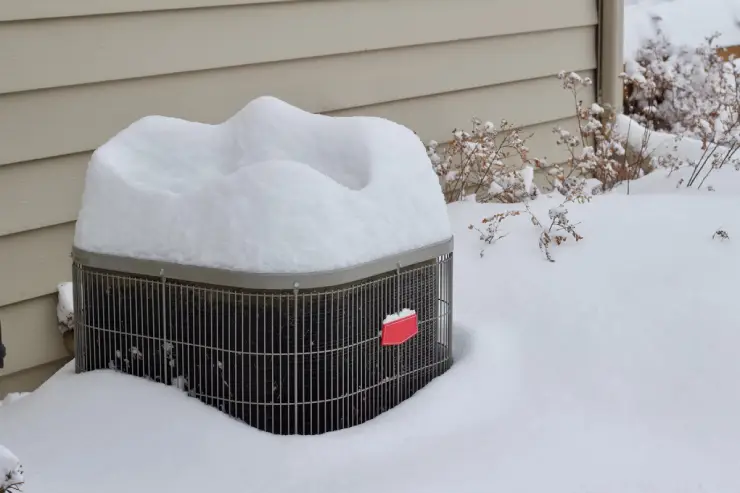
Heat pumps benefit from bi-annual servicing—before heating and cooling seasons. Technicians check refrigerant levels, clean coils, inspect electrical connections, lubricate motors, and verify proper operation across all modes. Clean outdoor units operate significantly more efficiently, particularly during winter when ice and snow can obstruct airflow.
Emergency HVAC repair near me searches spike during extreme weather when heating systems fail. Preventive maintenance dramatically reduces breakdown risk, ensuring your system operates reliably when you need it most.

Making the Right Choice: Key Factors for Your Decision
Your local climate represents the single most important factor in the furnace vs. heat pump decision. Southern Ontario homeowners enjoy moderate winters where modern heat pumps excel, delivering efficient heating with summer cooling capability. Northern residents facing sustained sub-zero temperatures may find gas furnaces more practical and economical.
Evaluate historical weather data for your specific area. If winter temperatures regularly drop below -15°C for extended periods, consider dual-fuel systems or high-efficiency gas furnaces. For milder regions, heat pumps offer compelling efficiency and versatility advantages that quickly offset higher installation costs through reduced operating expenses.
Urban versus rural location impacts fuel availability. Natural gas infrastructure serves most Ontario cities, making gas furnaces practical choices. Rural properties often rely on propane, electricity, or heating oil, changing economic calculations. Heat pumps become particularly attractive in all-electric homes where gas isn’t available.
Budget and Financial Planning
Both upfront costs and long-term operating expenses require careful consideration. Gas furnaces generally offer lower installation costs but ongoing fuel expenses. Heat pumps demand higher initial investment but potentially reduce monthly bills by 30-40% in suitable climates. Calculate payback periods considering your specific usage patterns and local utility rates.
Government incentives significantly impact heating system economics. Federal and provincial rebate programs can reduce heat pump installation costs by $5,000-$10,000, narrowing the price gap with gas furnaces. High-efficiency gas furnace installations may also qualify for smaller rebates. Factor these incentives into your financial analysis.
Financing options through HVAC contractors or utility companies can make either system accessible. Many homeowners appreciate heat pump dual-function capability, eliminating separate air conditioning costs. This consolidated investment simplifies budgeting while providing year-round comfort control.
Home Characteristics and Infrastructure
Existing ductwork condition influences installation complexity and costs. Well-designed, properly sealed ductwork accommodates either heating system efficiently. Poorly designed or leaking ducts should be repaired or replaced regardless of heating system choice, as they dramatically reduce efficiency and comfort.
Electrical service capacity matters particularly for heat pump installations. Most heat pumps require 200-amp electrical service, potentially necessitating panel upgrades in older homes. Gas furnaces demand less electrical capacity, though high-efficiency models still require dedicated circuits for electronic controls and variable-speed blowers.
Home insulation quality impacts heating system selection and sizing. Well-insulated homes with quality windows require smaller heating systems, reducing both installation and operating costs. Consider whole-home energy assessments to identify improvement opportunities that enhance comfort regardless of heating system choice.
Also Read: How Often Should You Service Your HVAC System?
Frequently Asked Questions
What is cheaper to run monthly: a heat pump or a gas furnace in Ontario?
Heat pumps are typically 30–40% cheaper in moderate weather (above -10°C) and can save $50–$100 monthly versus mid-efficiency gas furnaces in southern Ontario. Below -10°C, backup electric heat can make them more expensive. Gas furnaces cost a consistent $150–$250/month in peak winter.
How do I decide between a furnace and heat pump for my Ontario home?
Choose a heat pump in southern Ontario for efficiency + built-in air conditioning and rebates. Choose a gas furnace in northern/colder areas or where natural gas is cheap and reliable heating is priority. Get a professional assessment for accurate lifecycle costs.
Are heat pumps efficient enough for Ontario winters?
Yes — modern cold-climate heat pumps work effectively down to -25°C and can reduce heating energy use by 30–50% vs. electric baseboards. They are most efficient above -10°C; dual-fuel (heat pump + gas furnace backup) is ideal for extreme cold.
What is the typical lifespan difference between furnaces and heat pumps?
Gas furnaces last 15–20 years; heat pumps last 12–15 years because they run year-round for both heating and cooling. Proper installation and annual maintenance significantly extend life for both.
Can I use a heat pump in an RV for Canadian winter camping?
No — standard RV heat pumps become ineffective below -5°C to -10°C. Propane furnaces are far more reliable and practical for Canadian winter camping.
Partner with Ontario’s Trusted HVAC Experts
Don’t leave your home comfort to chance. Contact SANO HEATING LTD today for a personalized consultation on the best heating system for your home. Whether you need same-day AC repair Ontario or expert guidance on your next heating system investment, our team delivers fast, reliable service when you need it most. Visit us at https://sanoheating.com/ or call to schedule your free assessment and discover how the right heating system can transform your home’s comfort and efficiency.