A well-maintained heating system operates more efficiently, reduces monthly energy bills, extends equipment lifespan, and most importantly, keeps your family safe from hazards like carbon monoxide leaks. Professional HVAC contractors report that most furnace failures occur during January and February, and many of these emergencies could have been prevented with simple preventive care.
This comprehensive guide provides eight essential furnace maintenance tips that every Ontario homeowner should know. From tasks you can handle yourself to maintenance that requires professional expertise, these strategies will help you prepare your heating system for winter’s demands.
1. Schedule Annual Professional Furnace Inspections
The foundation of any effective maintenance routine starts with an annual professional inspection, ideally scheduled in early fall before heating season begins. While homeowners can perform several maintenance tasks themselves, a certified HVAC technician brings specialized knowledge, diagnostic tools, and training that catch problems invisible to the untrained eye.
During a comprehensive tune-up, technicians perform a multi-point inspection covering every critical component. A cracked heat exchanger can leak carbon monoxide into your home, creating a life-threatening situation that only professional testing equipment can detect reliably.
Professional service also includes burner inspection and cleaning, which directly affects combustion efficiency. Dirty burners reduce heating performance, increase fuel consumption, and can produce dangerous exhaust gases. Technicians verify proper gas pressure, inspect electrical connections for signs of wear or looseness, test safety controls to ensure your system delivers heat efficiently.
If you need reliable hvac repair ontario services, choosing a trusted local contractor ensures prompt response times and quality workmanship.
2. Replace Air Filters on a Regular Schedule
Air filter maintenance represents the single most important task homeowners can perform themselves. This simple action significantly impacts system performance, energy efficiency, indoor air quality, and equipment longevity. Despite its importance, filter changes remain one of the most neglected maintenance tasks in Ontario homes.
Furnace filters trap dust, pet dander, pollen, and other airborne particles before they enter your heating system. As filters collect contaminants, they become clogged and restrict airflow. Reduced airflow forces your furnace to work harder, consuming more energy to deliver the same level of warmth. This extra strain accelerates wear on the blower motor and other components, potentially shortening equipment lifespan by several years.
Standard fiberglass filters typically need replacement every 30 days, while higher-efficiency pleated filters may last up to 90 days. Homes with multiple pets, residents with allergies, or during peak heating season may require more frequent changes.
Changing filters is straightforward. Turn off your furnace using the power switch near the unit, locate the filter compartment (usually near the blower), and remove the old filter. Note the filter size printed on the frame edge, purchase the correct replacement from any hardware store, and install it following the directional arrows that indicate proper airflow direction. Most filters have arrows showing which side should face the furnace.
3. Inspect and Clean All Heating Vents and Registers
Proper airflow throughout your home depends on unobstructed vents and registers. Even with a perfectly maintained furnace and clean filters, blocked vents prevent warm air from reaching living spaces, creating cold spots and forcing your system to run longer cycles. Regular vent inspection and cleaning should be part of every homeowner’s seasonal maintenance routine.
Begin by walking through your home and checking every floor register and wall vent. Remove furniture, curtains, rugs, or other items blocking airflow.
Dust and debris accumulate on vent grilles and inside registers over time. Use a vacuum cleaner with a brush attachment to clean grille surfaces and remove buildup from the visible portions of ductwork. For deeper cleaning, consider removing register covers and vacuuming several inches into the duct opening. This simple maintenance improves air quality and removes potential fire hazards from dust accumulation.
Also Read: When to Change Your Furnace Filter in Ontario?
4. Verify Proper Thermostat Operation and Settings
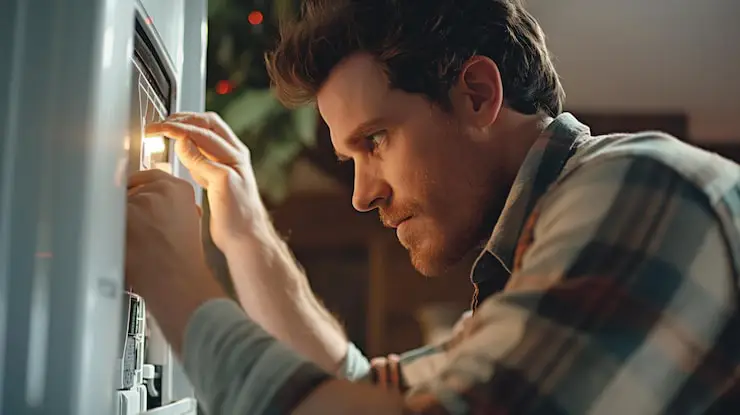
Your thermostat serves as the command center for your entire heating system, making its proper operation essential for comfort and efficiency. Thermostat problems can cause short cycling, uneven temperatures, excessive energy consumption, or complete system failure. Regular testing ensures this critical component functions correctly throughout winter.
Start by testing basic thermostat operation. Set your temperature a few degrees higher than current room temperature and listen for the furnace to start. The system should begin heating within a few minutes. If it fails to respond, check batteries (if applicable), verify the thermostat is set to “heat” mode rather than “cool” or “off,” and ensure the fan setting is “auto” rather than “on.” If the furnace starts but shuts off after only a few minutes, your system may be short-cycling due to restricted airflow—often caused by dirty filters or blocked vents.
Programmable and smart thermostats offer significant energy savings but require proper configuration. Set your thermostat to lower temperatures when the house is empty or everyone is sleeping—even a few degrees reduction can cut heating costs substantially. Many Ontario households maintain 20-21°C (68-70°F) during waking hours and drop to 16-18°C (60-64°F) overnight. Smart thermostats learn your schedule and adjust automatically, optimizing comfort while minimizing energy waste.
5. Test Carbon Monoxide Detectors and Safety Devices
Safety must be the top priority in any furnace maintenance routine. Natural gas furnaces produce carbon monoxide (CO) during combustion—a colorless, odorless gas that’s impossible to detect without proper equipment.
Test your carbon monoxide detectors monthly by pressing the test button and verifying a loud alarm sounds. Replace batteries at least annually—many homeowners choose to do this when daylight saving time changes as an easy-to-remember schedule. CO detectors themselves have limited lifespans, typically 5-7 years, after which sensor reliability degrades. Check the manufacture date printed on each unit and replace detectors that have exceeded their recommended service life.
For urgent situations, reliable emergency hvac repair near me services provide 24/7 response to protect your family.
6. Keep the Area Around Your Furnace Clear and Clean
The space surrounding your furnace affects its performance, safety, and longevity. Many homeowners treat their furnace room as convenient storage, piling boxes, cleaning supplies, paint cans, and miscellaneous items around their heating system. This practice creates fire hazards, restricts necessary airflow, and complicates maintenance access. Maintaining a clear furnace area represents a simple but often overlooked maintenance task.
Dust and debris accumulation around your furnace affects air quality and combustion efficiency. Vacuum the furnace room floor regularly, dust off the exterior of your unit, and keep the space as clean as the rest of your home. Pay special attention to the area around the fresh air intake—the opening where your furnace draws combustion air. Blocked intakes restrict airflow and can cause incomplete combustion, reducing efficiency and creating safety hazards.
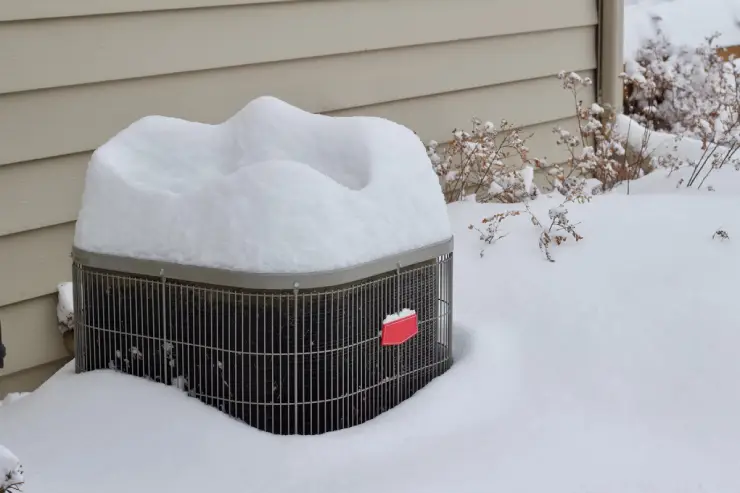
Outdoor components also require attention, particularly in Ontario’s snowy climate. After snowfalls, check exhaust vents and intake pipes extending through exterior walls or roofs. Clear away any snow or ice blocking these openings—obstructed vents can cause dangerous carbon monoxide buildup inside your home or force your furnace into safety shutdown. Keep snow shoveled away from outdoor heat pump components as well, maintaining at least two feet of clearance on all sides.
7. Monitor System Performance and Listen for Warning Signs
Your furnace communicates its condition through various sounds, smells, and performance characteristics. Learning to recognize these signals helps you catch small problems before they escalate into expensive repairs or emergency breakdowns. Attentive homeowners who monitor system performance can often prevent winter heating failures by addressing issues early.
Energy bill increases without corresponding changes in usage patterns or weather severity indicate reduced efficiency. Compare your current bills to the same period in previous years. Unexpected spikes of 20% or more suggest your heating system works harder than normal, often due to maintenance neglect, failing components, or air leaks in your home’s building envelope.
Keep records of furnace behavior, including dates when unusual sounds started, frequency of cycling, temperature fluctuations, and any other abnormalities. This information helps HVAC technicians diagnose problems more quickly and accurately. When calling for service, provide detailed descriptions of symptoms rather than attempting self-diagnosis—experienced technicians can often identify likely causes from symptom descriptions and arrive prepared with appropriate parts.
Don’t delay professional service when warning signs appear. Small problems like weak ignitors or dirty flame sensors cause minor inconveniences initially but can leave you without heat during the coldest days of winter if ignored. Prompt attention to emerging issues costs less than emergency repairs and prevents the discomfort of complete system failure during extreme weather.
Also Read: Should You Replace or Repair Your Furnace Before Winter
8. Address Ductwork Leaks and Insulation Issues
Efficient ductwork is crucial for delivering warm air throughout your home. Leaky ductwork can waste 20-30% of heated air before it reaches living spaces.
Rooms that never reach comfortable temperatures, unusually high energy bills, excessive dust in certain areas, or whistling/rattling sounds from the ducts.
Inspect accessible ductwork (in basements, attics, etc.) for gaps, holes, or loose connections. Seal minor gaps using mastic sealant or metal-backed foil tape. Never use standard fabric duct tape.
Ducts running through unheated spaces (attics, garages, crawl spaces) should have adequate insulation, ideally with a minimum R-6 rating, to prevent heat loss.
For larger leaks or professional-grade sealing, hire qualified HVAC contractors. Aerosol-based sealing is the most comprehensive solution; it injects sealant particles to seal leaks from the inside, often reducing air leakage by 80-90%.
These measures significantly improve your heating system’s efficiency and reduce operating costs.
An ontario hvac contractor can evaluate your duct system and recommend improvements that enhance comfort and reduce operating costs.
Frequently Asked Questions About Furnace Maintenance
How often should I schedule professional furnace maintenance?
Once annually, ideally in early fall. This maintains your warranty, prevents mid-winter breakdowns, and optimizes efficiency.
Can I perform furnace maintenance myself?
Homeowners can handle simple tasks like filter changes, vent cleaning, and thermostat testing. However, safety-critical tasks involving gas, electrical, and combustion testing require certified HVAC technicians.
What is the average lifespan of a well-maintained furnace?
Typically 15-20 years. Neglected systems often fail within 10-12 years.
How much should I budget for annual furnace maintenance?
Professional tune-ups usually cost between $120 and $180. Look for maintenance contracts or seasonal promotions for potential discounts.
When should I consider replacing my furnace instead of repairing it?
Consider replacement if the furnace is over 15 years old and repairs cost more than 50% of the replacement value. Modern high-efficiency units often recover replacement costs through lower utility bills.
Protect Your Winter Comfort With Proper Furnace Maintenance
Ready to ensure your furnace performs flawlessly this winter? Contact SANO HEATING LTD today to schedule your professional furnace tune-up. Our certified technicians serve Ontario homeowners with expert maintenance, reliable repairs, and honest advice you can trust. Whether you need routine service or face an unexpected breakdown, we’re here to keep your family warm all winter long. Call us now or visit our website to book your appointment—don’t let another day pass without proper furnace protection.