If you live anywhere in Ontario, you already know the drill. One week you’re scraping frost off the windshield in the morning, and a few days later you’re cracking the windows open by noon. That kind of weather whiplash leads many homeowners to ask a very practical question: Is it bad to switch between heat and AC?
The short answer is no — but the real answer has layers. Switching itself isn’t the villain. How you switch, how often you do it, and what condition your HVAC system is in make all the difference. In this guide, we’ll go deeper than the usual surface-level advice. We’ll talk about real-world Ontario homes, real systems, real habits, and what actually helps your HVAC last longer while keeping your house comfortable.
This isn’t theory. It’s the kind of guidance you’d expect from a seasoned local provider like SANO HEATING LTD, grounded in experience, not marketing fluff.
Why Switching Between Heat and AC Is So Common in Ontario
Ontario’s climate isn’t gentle or predictable. Spring and fall especially feel like a tug-of-war between winter and summer, and your thermostat is stuck in the middle.
Many homes rely on a single central HVAC system that handles both heating and cooling. That system is designed to switch modes — it’s not fragile glassware. The issue arises when weather changes faster than your system can comfortably adapt, or when homeowners unintentionally push it too hard.
Before deciding whether switching is “bad,” it helps to understand why it happens so often here in the first place.
Seasonal Swings Are the Norm, Not the Exception
In cities like Toronto, Mississauga, and across Southern Ontario, it’s normal to see 10–15°C temperature swings within 24 hours during shoulder seasons. You might need heat overnight, cooling in the afternoon, and neither by evening.
HVAC manufacturers account for this reality. Systems sold and installed in Ontario are expected to handle transitional seasons. Problems usually don’t come from occasional switching — they come from rapid, repeated, or careless switching.

What Actually Happens Inside Your HVAC System When You Switch
From the outside, switching from heat to AC feels like flipping a simple switch. Inside the system, however, several components have to reset, rebalance, and re-engage.
Understanding this process helps explain why timing and settings matter more than the switch itself.
Short Cycling: The Quiet System Killer
One of the most common issues linked to frequent switching is short cycling. This happens when your HVAC system starts, stops, and restarts before completing a full heating or cooling cycle.
Short cycling doesn’t always announce itself loudly. Sometimes there’s no dramatic noise or error code — just subtle wear accumulating over time. Compressors, in particular, don’t appreciate being rushed. Repeated short cycles can shorten their lifespan and reduce efficiency.
Letting a system finish its cycle before switching modes is one of the simplest ways to avoid this problem.
Energy Use and Hidden Costs
Every time your HVAC system starts up, it draws more energy than it does during steady operation. If you’re constantly switching between heat and AC, those start-up surges add up.
Over time, this can show up as:
- Higher-than-expected energy bills
- Longer run times to reach set temperatures
- Reduced overall efficiency, especially in older systems
Homeowners sometimes assume these costs are unavoidable because of the weather, but in many cases, they’re linked to habits rather than climate.
Also Read: Top 8 Furnace Maintenance Tips to Stay Warm All Winter
Smart Ways to Switch Between Heat and AC Without Stressing Your System
Switching modes doesn’t have to be risky. With a few intentional habits, you can reduce strain, control costs, and keep your system running smoothly through Ontario’s unpredictable seasons.
Use the Thermostat the Way It Was Meant to Be Used
One of the most overlooked details is the thermostat fan setting.
Keeping the fan set to AUTO allows it to shut off once the heating or cooling cycle finishes. Leaving it on ON forces continuous airflow, which can make the system work harder than necessary — especially during frequent mode changes.
AUTO isn’t just about comfort; it’s about giving your system time to rest between cycles.
Make Gradual Temperature Adjustments
Jumping from heating at 22°C to cooling at 18°C in a short span is like flooring the gas pedal and slamming the brakes over and over. Your HVAC can do it, but it won’t thank you.
Instead:
- Adjust temperatures in smaller increments
- Allow the system to stabilize
- Avoid chasing the thermostat every time the weather shifts slightly
This approach reduces mechanical stress and leads to more consistent indoor comfort.
Let the System Pause Before Switching Modes
A simple but powerful habit: once a heating or cooling cycle finishes, wait a few minutes before switching modes. This brief pause allows internal pressures to equalize and components to reset.
It’s a small delay that can prevent long-term damage, particularly to compressors and control boards.
Smart Thermostats Aren’t Just a Luxury
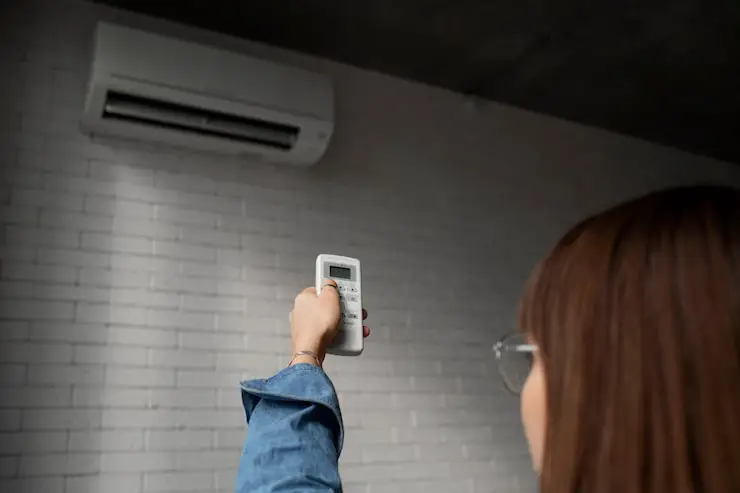
Modern smart thermostats can automatically manage mode transitions, learning your patterns and responding to outdoor conditions. In Ontario homes, they’re especially helpful during spring and fall.
They reduce unnecessary switching, prevent extreme setpoints, and often alert you when your system behaves abnormally — before a small issue becomes a costly repair.
When Switching Between Heat and AC Becomes a Real Problem
Occasional switching is normal. Constant switching is not.
If you find yourself toggling modes multiple times a day, day after day, it may signal an underlying issue that deserves attention.
Warning Signs You Shouldn’t Ignore
Pay attention if you notice:
- The system turning on and off every few minutes
- Unusual sounds when switching modes
- Rooms heating or cooling unevenly
- A noticeable spike in energy bills without a clear reason
These aren’t just annoyances. They’re early indicators that your HVAC system is under stress.
When that happens, it’s wise to consult an Ontario HVAC contractor rather than pushing the system further.
The Role of Maintenance in Seasonal Transitions
One reason switching causes fewer issues in some homes than others comes down to maintenance. A well-maintained HVAC system handles transitions smoothly. A neglected one struggles.
Professional Tune-Ups Make a Bigger Difference Than You Think
Annual inspections help ensure:
- Electrical connections are secure
- Refrigerant levels are correct
- Filters, coils, and blowers are clean
- Safety controls are functioning properly
These details matter most during seasonal transitions, when the system is asked to operate in different modes within short timeframes.
If your system hasn’t been checked in a while, scheduling hvac repair Ontario services proactively can prevent emergency breakdowns later.
Simple Homeowner Habits That Help
You don’t need to be a technician to support your system. Regularly:
- Replace or clean air filters
- Keep vents unobstructed
- Ensure outdoor units are clear of debris
These small actions reduce resistance and allow your HVAC to adapt more easily when switching modes.
Also Read: When to Change Your Furnace Filter in Ontario?
What About Emergency Situations?
Sometimes, switching problems don’t wait for a convenient moment. If your system refuses to cool after heating — or vice versa — it may be protecting itself or signaling a fault.
In those cases, searching for emergency hvac repair near me isn’t overreacting. It’s responsible homeownership. Quick professional intervention can prevent further damage and restore comfort safely.
Heat Pumps: A Different Perspective on Heating and Cooling
Many Ontario homes are now turning to heat pumps, which provide both heating and cooling through a single system. Heat pumps are designed to transition smoothly between modes, often without the same level of stress as traditional setups.
That said, they still rely on proper settings, smart thermostat use, and regular maintenance. Even advanced systems benefit from good habits and professional oversight.
Installation Quality Matters More Than Most People Realize
How your HVAC system was installed plays a huge role in how well it handles switching between heat and AC.
Poor duct design, incorrect sizing, or rushed installation can all lead to:
- Excessive cycling
- Inconsistent temperatures
- Higher energy consumption
This is why choosing the right provider for air conditioning installation Ontario isn’t just about price — it’s about long-term performance and reliability.
Balancing Comfort and Longevity
At the end of the day, your HVAC system exists to keep you comfortable. You shouldn’t feel anxious every time the weather changes. Switching between heat and AC is part of life in Ontario — and with the right approach, it doesn’t have to shorten your system’s lifespan or inflate your bills.
The goal isn’t perfection. It’s balance. Thoughtful habits, realistic expectations, and professional support go a long way.
FAQ
Is it safe to switch between heat and AC in one day?
Yes, as long as cycles finish fully and you avoid extreme temperature changes.
Does frequent switching increase energy bills?
It can, especially if it causes short cycling or frequent restarts.
Should I turn my system off before switching modes?
Yes, letting it rest briefly before switching is a good practice.
Can a smart thermostat reduce switching issues?
Absolutely. It helps manage transitions automatically and efficiently.
When should I call a professional?
If switching causes noise, uneven temperatures, or system failures, call an expert.
If you’re dealing with frequent HVAC mode switching, rising energy bills, or a system that just doesn’t feel right, SANO HEATING LTD is here to help. From maintenance and hvac repair Ontario to expert installation and emergency support, we keep Ontario homes comfortable through every season.
Reach out today and give your HVAC system the care it deserves.