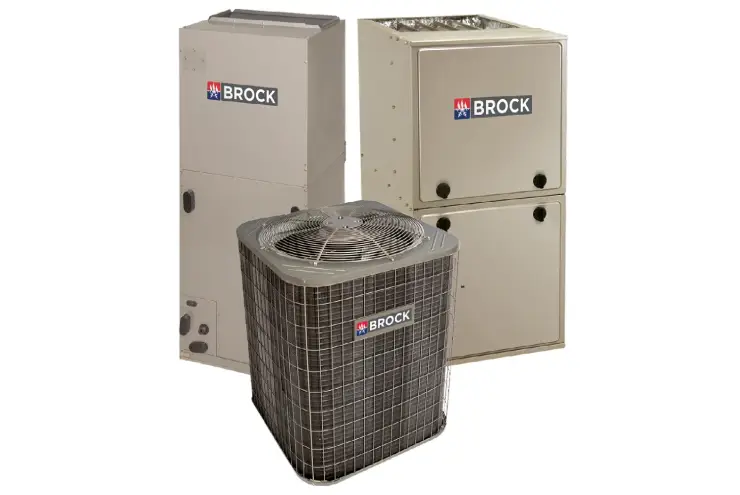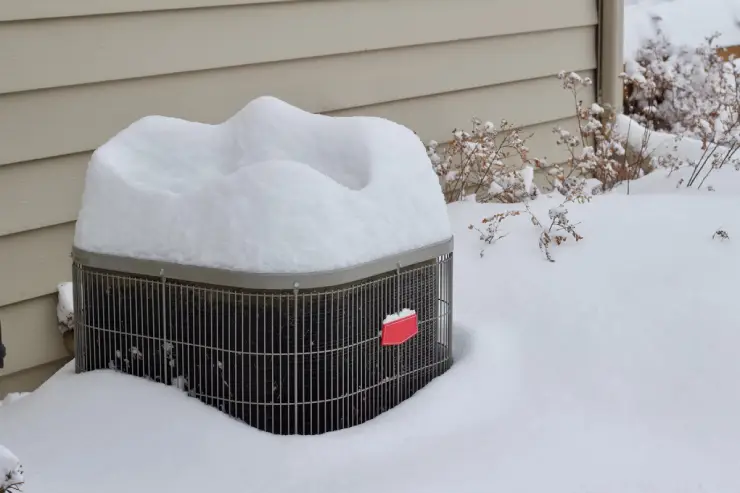
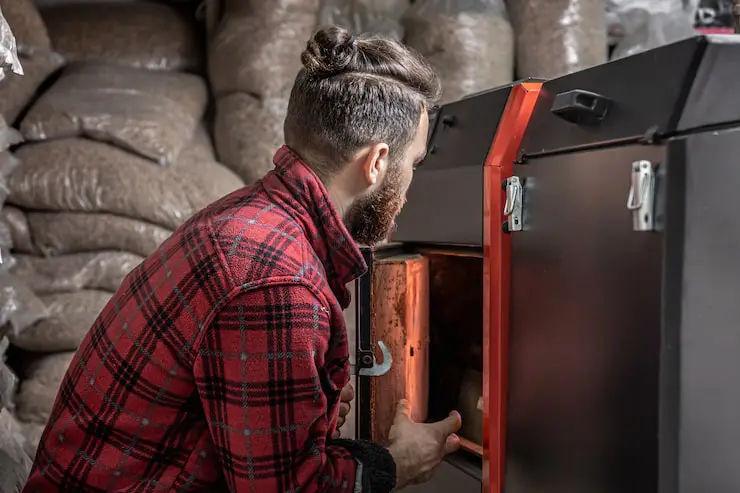
High efficiency furnaces offer remarkable energy savings and environmental benefits, but understanding their true longevity requires examining multiple factors including maintenance practices, installation quality, and operational characteristics.
A key homeowner question is how do I know if I have a high efficiency furnace, which is crucial before assessing if the slightly higher high-efficiency furnace cost is justified by potential energy savings and reliability. Throughout this comprehensive guide, we’ll explore whether these advanced heating systems deliver on their promises, examine potential drawbacks, discuss moisture-related concerns, analyze cost considerations, and help you determine if investing in the best high efficiency furnace makes sense for your home and budget.
High Efficiency Furnace Lifespan
When homeowners ask how long do high efficiency furnaces last, the answer typically ranges from 15 to 25 years, comparable to or sometimes exceeding traditional furnace lifespans. According to the U.S. Department of Energy, properly maintained high efficiency units with AFUE ratings above 90% can deliver exceptional longevity when professionally installed and serviced regularly. The lifespan depends significantly on factors like climate conditions, usage patterns, maintenance frequency, and the quality of the initial installation.
The question of how long should a high efficiency furnace last also depends on brand selection and model quality. Premium manufacturers engineer their high efficiency units with enhanced materials designed specifically to withstand the acidic condensate produced during operation. When comparing standard versus high efficiency models, the latter often features stainless steel or aluminized steel heat exchangers that resist corrosion better than traditional materials, potentially extending the furnace’s functional lifespan by several years.
For emergency HVAC repair near me in Ontario, contact SANO HEATING LTD for same-day service and expert troubleshooting.
Operational Characteristics: Running Frequency and Heating Time
Many homeowners wonder do high efficiency furnaces run more often compared to conventional systems. The answer is nuanced. High efficiency furnaces, particularly those with variable-speed blowers and modulating burners, do indeed run more frequently but at lower capacities. This operational pattern is actually beneficial rather than problematic. Instead of cycling on and off at full blast like traditional single-stage furnaces, high efficiency models maintain more consistent temperatures through longer, gentler heating cycles.
This raises another common question: do high efficiency furnaces take longer to heat up? Initially, yes—they may take slightly longer to reach target temperatures because they operate at lower firing rates. However, this gradual heating creates more even temperature distribution throughout your home, eliminating the temperature swings associated with conventional furnaces. The energy savings from avoiding overshooting and constant cycling far outweigh the marginal increase in initial heating time.
The concept of do high efficiency furnaces run longer connects directly to their superior efficiency. These systems extract more heat from every cubic foot of natural gas burned, meaning they accomplish the same heating with less fuel consumption. The extended run times at reduced capacity actually reduce wear on mechanical components, as frequent starts and stops cause more stress than steady operation. According to research from ASHRAE (American Society of Heating, Refrigerating and Air-Conditioning Engineers), variable-speed systems experience less mechanical fatigue over their operational lifetime.
Understanding these operational differences is essential for homeowners evaluating whether are high efficiency furnaces worth it. The initial adjustment period might feel unusual if you’re accustomed to the rapid on-off cycling of older furnaces, but the consistent comfort and reduced energy bills quickly demonstrate the value of this advanced heating approach.
Also Read: DIY vs. Professional HVAC Maintenance — What’s Better?
Disadvantages of High Efficiency Furnaces
Despite their benefits, the disadvantages of high efficiency furnaces deserve honest examination. The most significant drawback is upfront cost—high efficiency models typically cost $1,500 to $4,000 more than standard furnaces before installation. This higher initial investment can deter budget-conscious homeowners, though long-term savings often offset this difference within 7-10 years depending on energy costs and usage patterns.
Another consideration involves complexity. High efficiency furnaces contain more sophisticated components including secondary heat exchangers, condensate pumps, and advanced control boards. While these components enhance efficiency, they also introduce additional points of potential failure. Repairs may require specialized knowledge and parts, potentially increasing maintenance costs compared to simpler conventional systems. Homeowners should factor these considerations into their total cost of ownership calculations.
Installation requirements present another potential disadvantage. High efficiency furnaces require proper venting systems—typically PVC pipes rather than traditional metal flues—and adequate condensate drainage. Retrofitting an older home may involve additional construction costs for proper venting and drainage installation. Not every home is ideally suited for high efficiency installation without modifications, and these adaptations add to the project’s total expense.
Finally, some homeowners question are high efficiency furnaces less reliable due to their complexity. While modern high efficiency furnaces from reputable manufacturers demonstrate excellent reliability, the increased number of components does mean more potential service calls. However, data from leading HVAC manufacturers suggests that properly maintained high efficiency systems actually experience comparable or better reliability than standard models over their operational lifetime.
As a trusted Ontario HVAC contractor, SANO HEATING LTD specializes in high-efficiency furnace installation and maintenance.
Moisture Problems with High Efficiency Furnaces
Moisture problems with high efficiency furnace systems represent a legitimate concern that requires understanding and prevention. High efficiency furnaces are “condensing” furnaces—they extract so much heat from combustion gases that water vapor condenses inside the system. This condensate is mildly acidic and must be properly drained to prevent corrosion, leaks, and system damage.
The most common moisture-related issues include condensate drain clogs, which occur when dust, debris, or biological growth obstructs drainage lines. When condensate cannot drain properly, it backs up into the furnace, potentially causing water damage, corrosion, or system shutdowns.
Condensate pump failures represent another moisture-related concern. Many installations, particularly in basements where drainage by gravity isn’t possible, require condensate pumps to remove water from the system. Pump failures can lead to water accumulation and potential furnace damage. Quality installation includes backup safety switches that shut down the furnace if drainage fails, protecting your investment from water damage.
Proper venting installation is critical to moisture management. PVC venting must be installed with appropriate slope to prevent condensate accumulation in vent pipes, which can freeze in extreme cold or cause improper venting.
High-Efficiency Furnace Cost Analysis
Understanding high-efficiency furnace cost requires examining both initial investment and long-term operational expenses. In Ontario, high efficiency furnaces typically range from $3,500 to $8,000 installed, depending on brand, capacity, features, and installation complexity. This compares to $2,000 to $5,000 for standard efficiency models, representing a significant premium that homeowners must justify through energy savings and longevity.
The return on investment calculation depends on several variables. Ontario’s cold climate means furnaces operate extensively throughout heating season, amplifying potential savings from high efficiency operation. A home using a standard 80% AFUE furnace spending $2,000 annually on heating could save approximately $400-$500 yearly by upgrading to a 95% AFUE high efficiency model. At this savings rate, the additional $2,000-$3,000 investment pays for itself within 5-7 years, after which homeowners enjoy pure savings for the system’s remaining 10-15+ year lifespan.
Energy rebates and incentives significantly improve the cost equation. Canadian federal programs, Ontario provincial initiatives, and local utility companies often offer substantial rebates for high efficiency furnace installation—sometimes $500 to $2,000 depending on efficiency rating and household income. These incentives directly reduce the upfront cost gap between standard and high efficiency models, accelerating payback periods and improving overall value propositions.
Reliable HVAC repair Ontario residents count on – we fix condensate issues, heat exchanger problems, and all furnace failures quickly.
Are High Efficiency Furnaces Worth the Investment?
In an era of rising energy costs and growing environmental awareness, choosing efficient heating equipment aligns with both economic and ecological values. Before investing in a best high efficiency furnace, prospective buyers must weigh the potential for a long lifespan against issues like moisture problems and confirm that professional high efficiency furnace installation will maximize the unit’s energy savings and reliability.
Also Read: How Often Should You Service Your HVAC System?
Maximizing High Efficiency Furnace Longevity
Extending your high efficiency furnace lifespan requires proactive maintenance and attentive operation. Annual professional maintenance by qualified hvac repair ontario technicians represents the single most important factor in maximizing furnace longevity. Comprehensive maintenance includes inspecting and cleaning burners, checking and adjusting gas pressure, testing safety controls, cleaning or replacing filters, inspecting the heat exchanger, clearing condensate drains, and verifying proper combustion efficiency.
Filter replacement deserves special attention in high efficiency systems. Variable-speed blowers in these furnaces operate more hours than traditional blowers, meaning filters accumulate debris faster. Check filters monthly during heating season and replace them when dirty—typically every 1-3 months depending on household conditions. Clogged filters restrict airflow, forcing the system to work harder and potentially causing overheating or premature component failure.
Condensate system maintenance prevents moisture-related problems that can damage high efficiency furnaces. Have your technician clean condensate drains and traps annually, inspect the condensate pump if present, and verify proper drainage during service visits. Between professional maintenance, periodically check that condensate drains freely and watch for any water accumulation around the furnace.
Thermostat operation affects furnace longevity too. Avoid extreme temperature setbacks that force the furnace to work excessively hard recovering temperature. Modern programmable or smart thermostats optimize high efficiency furnace operation by maintaining more consistent temperatures and scheduling appropriate setbacks that balance comfort and efficiency without excessive system stress.
Also Read: 10 Things To Do When Your Furnace Ignitor Isn’t Igniting
Comparison Table: High Efficiency vs. Standard Furnaces
| Feature | High Efficiency Furnace | Standard Efficiency Furnace |
|---|---|---|
| AFUE Rating | 90-98.5% | 78-84% |
| Average Lifespan | 15-25 years | 15-20 years |
| Initial Cost | $3,500-$8,000 installed | $2,000-$5,000 installed |
| Annual Energy Savings | $400-$600+ | Baseline |
| Venting Type | PVC plastic pipes | Metal chimney/flue |
| Condensate Production | Yes, requires drainage | Minimal to none |
| Comfort Consistency | Excellent with modulation | Good with cycling |
| Complexity | Higher, more components | Lower, simpler design |
| Maintenance Requirements | Annual professional service | Annual professional service |
| Environmental Impact | Lower emissions | Higher emissions |
When to Consider Emergency HVAC Services
Even the most reliable high efficiency furnaces occasionally require emergency hvac repair near me services. Recognizing situations requiring immediate professional attention protects your investment and ensures your family’s safety and comfort. Complete heating failure during extreme cold weather obviously necessitates emergency service, but other warning signs also warrant urgent attention.
Safety concerns always justify emergency service calls. If you smell natural gas, notice soot accumulation around the furnace, hear unusual loud noises, see visible flames or sparks, or if carbon monoxide detectors alarm, shut down your furnace immediately and contact emergency HVAC services. These symptoms indicate potentially dangerous conditions requiring immediate professional diagnosis and repair.
Performance issues like inadequate heating, frequent cycling on and off, unusual noises, or visible water leaks around the furnace suggest problems requiring prompt attention. While these situations may not pose immediate safety hazards, they indicate developing problems that worsen over time and potentially cause complete system failure. Early intervention by qualified same-day ac repair ontario and heating specialists often prevents minor issues from escalating into expensive emergency repairs.
Frequently Asked Questions
How long does a high-efficiency furnace last compared to a standard furnace?
High-efficiency furnaces last 15–25 years with proper maintenance — similar to or slightly longer than standard models — thanks to corrosion-resistant stainless steel heat exchangers.
Do high-efficiency furnaces save money despite their higher initial cost?
Yes. In Ontario, they save $400–$600 per year on heating bills, with payback in 5–7 years after the $2,000–$3,000 premium (often reduced by $500–$2,000 in rebates).
What are the main disadvantages of high efficiency furnaces?
Higher upfront cost ($1,500–$4,000 more), more complex components requiring specialized repairs, potential condensate/moisture issues, and the need for proper venting and drainage modifications.
How can I tell if I have a high efficiency furnace?
Look for ≥90% AFUE rating, white PVC venting pipes, a condensate drain line, or check the model number online — all high-efficiency units are condensing furnaces.
Are high efficiency furnaces less reliable than standard models?
No. When professionally installed and annually maintained, they are equally or more reliable than standard furnaces despite having more components.
Take Action for Your Home Comfort
If you’re considering furnace installation ontario or need expert guidance on whether upgrading to a high efficiency system makes sense for your home, contact SANO HEATING LTD today. Our experienced team provides comprehensive hvac repair ontario services, professional installation, and honest advice to help you make informed decisions about your home comfort systems. Whether you need routine maintenance, emergency repairs, or are ready to invest in a new high efficiency furnace, we’re here to ensure your heating system delivers reliable, efficient performance for years to come.