In Ontario’s demanding winters, picking between a gas furnace and an electric one shapes your home’s comfort, budget, and energy use for years. Gas models burn natural gas for rapid, powerful heat, while electric versions heat air through resistance coils using electricity. This detailed comparison draws on local factors like utility rates, climate extremes, and regulations to guide homeowners toward the smartest choice.
Overview of Gas and Electric Furnaces
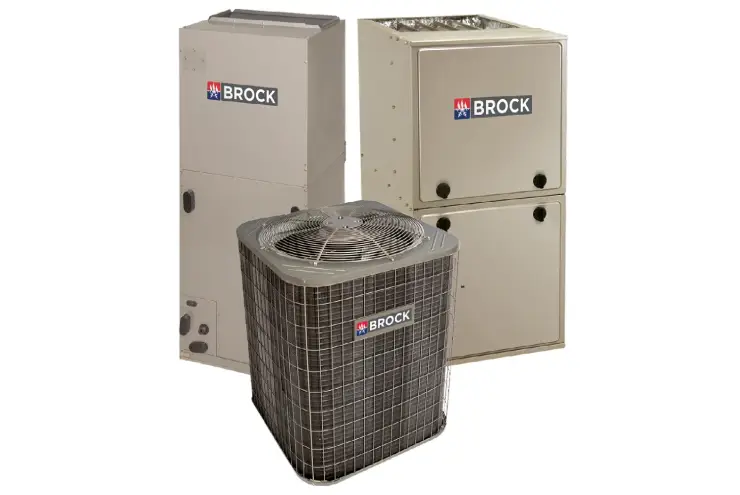
Both furnace types anchor modern HVAC systems in Ontario homes, circulating warm air through ductwork to combat sub-zero temperatures. Gas furnaces ignite burners fueled by natural gas or propane, achieving high output quickly, whereas electric furnaces pass current through coils for steady, combustion-free heating. Homeowners often overlook how these core differences ripple into daily costs and system longevity.
Gas units dominate in established neighborhoods with gas lines, powering about 70% of Ontario residences due to infrastructure availability. Electric furnaces shine in newer builds or rural spots lacking gas access, offering plug-and-play simplicity. Recent energy regulations from Natural Resources Canada mandate 95% AFUE for most gas furnaces since 2019, pushing both types toward higher efficiency standards.
SANO HEATING LTD For urgent issues, their emergency hvac repair near me services keep systems humming 24/7.
Key Factors to Consider When Choosing a Furnace
Ontario’s variable energy prices, from around $0.08/kWh for electricity off-peak to $0.40 natural gas per cubic meter, make furnace selection a financial puzzle. Beyond bills, think about your home’s square footage, insulation quality, and duct condition—these amplify one system’s strengths over the other. Local HVAC pros emphasize matching furnace BTU output to your space for peak performance without waste.
Energy Efficiency and Cost
Modern gas furnaces hit 95-98% AFUE, meaning nearly all fuel turns into usable heat, slashing waste compared to older 80% models still common in Ontario basements. Electric furnaces boast near-100% efficiency since no combustion losses occur, but Ontario’s tiered electricity pricing can double costs during peak winter demand. For a 2,000 sq ft home, expect $1,500-2,500 annual gas heating versus $2,800+ for electric, per Enbridge and Hydro One data.
Upgrading to a high-efficiency condensing gas furnace recovers latent heat from exhaust, qualifying for rebates up to $1,000 via Save on Energy programs. Electric models pair well with smart thermostats for off-peak savings, but lack the raw fuel economy of gas in prolonged cold snaps below -20°C. Always calculate your home’s heat load using Manual J methods for precise sizing.
Also Read: DIY vs. Professional HVAC Maintenance — What’s Better?
Heating Performance in Ontario’s Climate
Ontario’s Lake-effect snow and chinook winds demand furnaces that recover fast from setbacks, where gas excels with 40,000-100,000 BTU outputs blasting heat in minutes. Electric furnaces, capped around 25 kW, warm slower in extreme colds, potentially leaving rooms chilly until coils catch up. In Toronto or Ottawa, gas handles 90% of peak loads effortlessly; northern areas like Sudbury amplify this edge.
Ducted systems amplify performance—gas pushes air harder through long runs, ideal for multi-story homes. Electric suits bungalows or additions with short ducts, avoiding overkill. Pair either with zoning dampers for even distribution, a trick SANO HEATING LTD techs use to optimize airflow in diverse Ontario layouts.
Installation and Maintenance Requirements
Gas furnace installs demand venting, gas line upgrades, and TSSA-certified work, costing $5,000-10,000 including permits in Ontario. Electric setups skip flues, dropping to $3,000-7,000, but require 200-400 amp panels—many older homes need electrical overhauls. Regulations like O. Reg. 404/12 enforce safety checks for both.
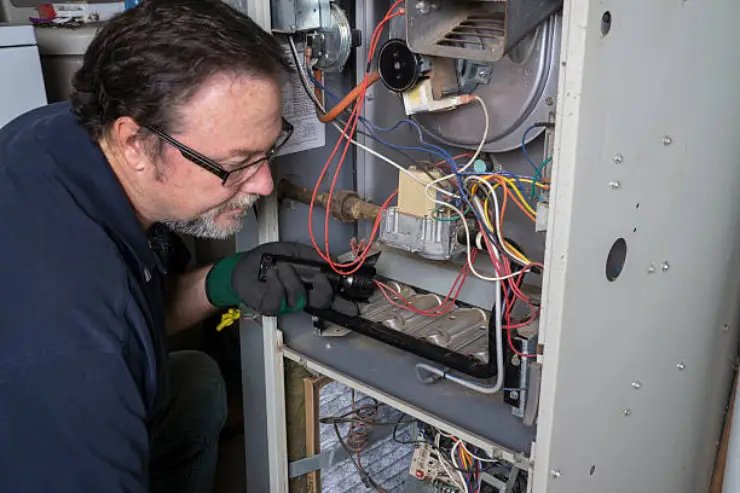
Annual tune-ups cost $150-300; gas needs burner cleaning and CO detector tests, while electric focuses on coil inspections. Neglect leads to 20% efficiency drops—hire an ontario hvac contractor like SANO HEATING LTD for compliance and warranties up to 20 years. Proactive service prevents breakdowns during January deep freezes.
Environmental Impact and Sustainability
Gas furnaces emit CO2 from combustion, but high-efficiency models cut footprints 30% versus old units, aligning with Ontario’s net-zero goals by 2050. Electric furnaces zero out direct emissions, leveraging Ontario’s 90% nuclear/renewable grid for cleaner operation than coal-heavy provinces. Lifecycle analyses show gas edging out if electricity includes transmission losses.
Sustainability boosts come from hybrid setups: gas with heat recovery ventilators or electric tied to solar panels. Ontario incentives favor both—up to $5,000 for electric via Canada Greener Homes Grant. Forward-thinking homeowners integrate smart controls for 15% emission reductions regardless of fuel.
Comparing Long-term Costs and Savings
Initial gas furnace outlay ($4,000-12,000) pays back in 5-7 years via $1,000+ yearly savings over electric in average Ontario homes. Electric’s lower entry ($3,000-8,000) appeals short-term, but 10-year totals favor gas by $10,000-20,000 factoring 5-6% annual fuel hikes. Factor rebates: gas qualifies for Enbridge upgrades, electric for Hydro One efficiency programs.
| Cost Aspect | Gas Furnace | Electric Furnace |
|---|---|---|
| Upfront Cost | $5,000-12,000 | $3,000-8,000 |
| Annual Operating (2,000 sq ft) | $1,800 | $3,000 |
| Maintenance/Year | $200-400 | $100-250 |
| Lifespan | 15-25 years | 20-30 years |
| 10-Year Total (w/rebates) | $25,000 | $35,000 |
ROI hinges on usage: heavy heating favors gas; supplemental use suits electric. Track with energy audits from certified techs.
Also read: Furnace vs. Heat Pump: Which One is Right for You?
When to Choose Gas Furnace Over Electric
Opt for gas in homes over 1,500 sq ft, rural gas-connected areas, or budgets prioritizing low bills—it’s the workhorse for GTA sprawl. Families with high hot water demands benefit from combo gas boiler-furnace hybrids. If your current setup is gas, retrofitting saves on full replacements.
Gas thrives where winters bite hardest, like Niagara’s humid colds or Muskoka’s dry snaps, delivering toasty floors without spiking meters. Infrastructure exists in 80% of Ontario subdivisions, minimizing disruption.
When Electric Furnaces Make Sense
Electric wins for apartments, cottages without gas lines, or eco-focused owners with solar setups—installation wraps in days. Smaller homes under 1,200 sq ft or mild GTA pockets see bills align closer to gas. It’s safer for allergy-prone households, skipping combustion byproducts.
Future-proofing shines here: Ontario’s grid decarbonization by 2035 makes electric greener long-term. Pair with heat pumps for hybrid efficiency, slashing usage 50%.
Professional Furnace Installation and Repair Services in Ontario
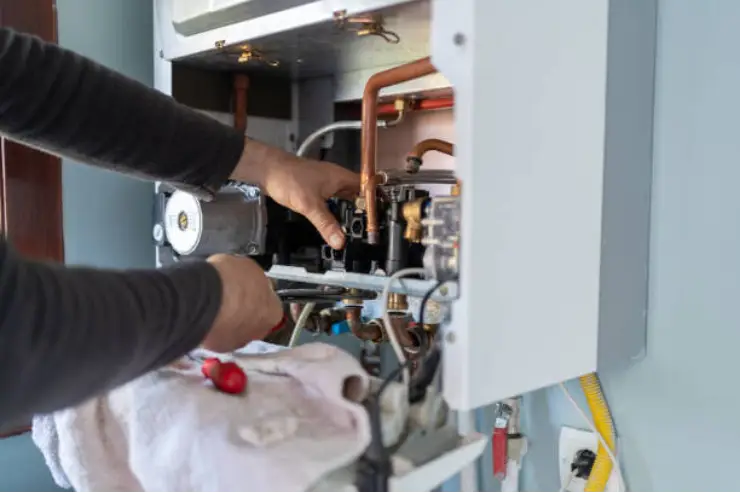
Beyond DIY risks, pros ensure code compliance, like CSA P.2 testing for AFUE ratings. SANO HEATING LTD excels in seamless transitions, from air conditioning installation Ontario to furnace swaps.
Techs assess load calculations, duct sealing, and zoning—overlooked steps boosting efficiency 25%. Warranties extend with pro installs, protecting against Ontario’s freeze-thaw cycles.
FAQ
Which furnace type prevails in Ontario’s rising energy costs?
Gas holds the edge with stable natural gas pricing versus volatile electricity tiers. Pairing with rebates maximizes savings for most households.
Do electric furnaces comply with new Ontario efficiency regs?
Yes, they meet NRCan fan energy standards post-2019 without combustion tweaks. Maintenance keeps them optimal for grid demands.
How does gas furnace venting impact installation in condos?
Venting requires direct outdoor exhaust, limiting condo feasibility versus electric’s flexibility. Pros navigate building codes seamlessly.
Can I switch from gas to electric mid-winter?
Switching demands panel upgrades and downtime, best pre-season. Electric eases transitions in gas-scarce areas.
What role does insulation play in furnace choice?
Poor insulation inflates electric bills disproportionately due to slower recovery. Gas powers through gaps effectively.
Final Thoughts and How SANO HEATING LTD Can Help
Your ideal furnace balances Ontario-specific needs: gas for power and savings, electric for simplicity and green potential. SANO HEATING LTD delivers customized installs, repairs, and audits—contact them at hvac repair ontario for a free consultation. Keep your home cozy; call today for expert guidance tailored to your setup!